Result
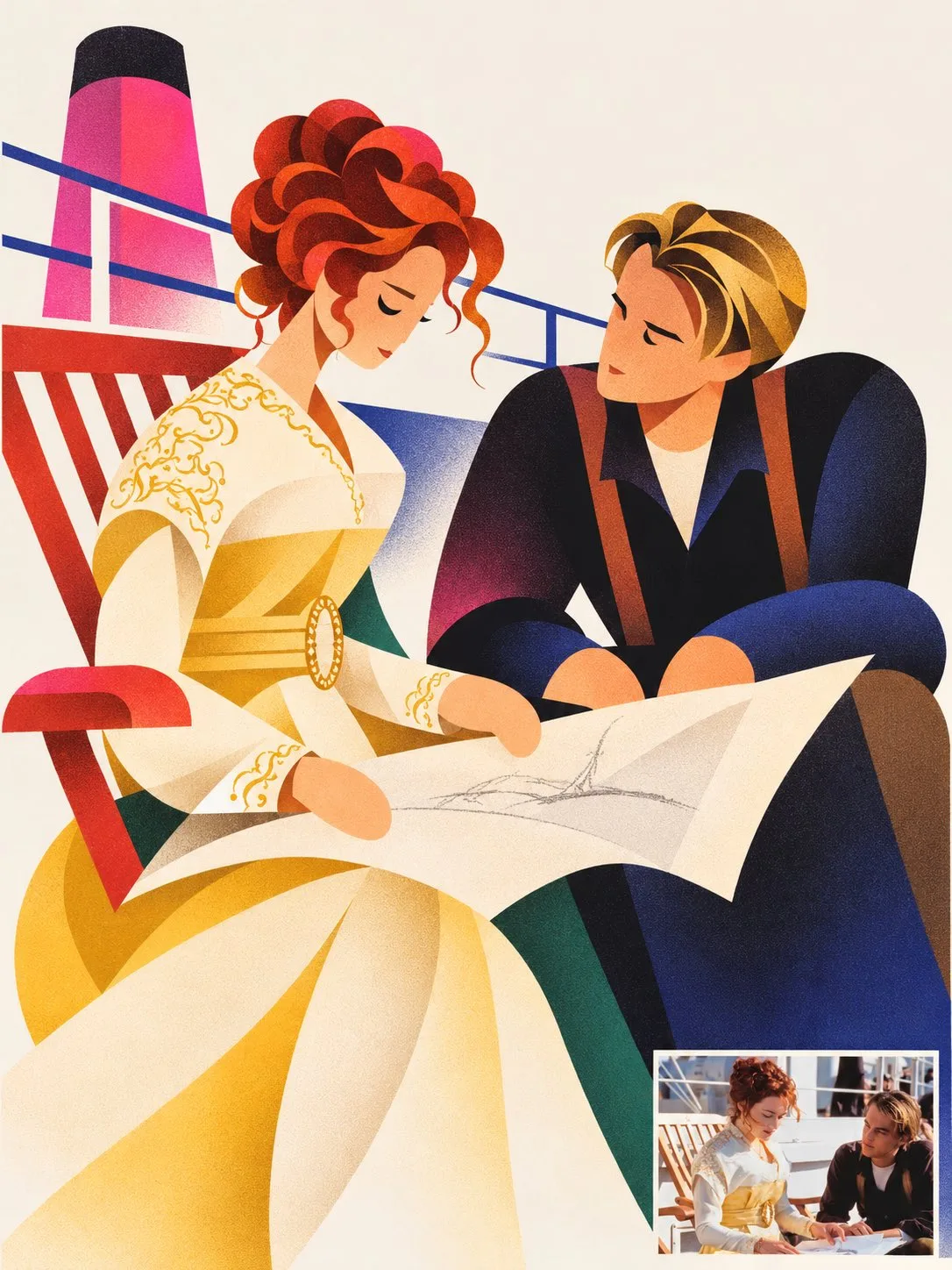 GPT ImageResult image · X
Reference Assets
Not shown in the post. Upload 1 photo of the person.
Prompt
Prompt
Create a finished editorial character poster inspired by the uploaded reference image. Preserve the recognizable identity, hairstyle, clothing details, pose, and important visual characteristics of the subject while translating them into a sophisticated flat geometric illustration.

FORMAT LOCK
Vertical 3:4 composition. Edge-to-edge warm off-white paper background. One standalone poster. Clean editorial layout.

CHARACTER
One adult character constructed from a few oversized asymmetric geometric shapes. Slightly exaggerated proportions, small head, elongated capsule-like limbs, simple mitten-style hands, and one oversized object integrated naturally into the pose and silhouette. Preserve the subject's recognizable appearance while simplifying details into graphic shapes.

STYLE
Flat geometric illustration, asymmetric proportions, crisp color blocks, soft airbrushed shading, subtle dark-to-color spray gradients where shapes overlap, fine print grain, delicate stippling mostly inside darker areas, refined contemporary editorial poster aesthetic.

FACE & EXPRESSION
Minimal black cut-paper facial features: simple crescent eyes and minimal mouth. The emotion should be communicated primarily through the character's full-body gesture and silhouette rather than detailed facial expression.

PALETTE
Warm off-white #F3F1EB, near-black #10100F, hot pink #F553D2, warm red #F42726, cobalt #293EA1, emerald #13785D. Keep colors flat and graphic with controlled soft gradients only where forms overlap.

Keep the character and oversized object as the main visual focus. Use generous negative space and a balanced editorial arrangement. The object should visibly affect the overall silhouette and feel integrated into the character's pose.

NEGATIVE PROMPT
No extra text, logos, outlined cartoon style, glossy 3D, realistic skin, photorealism, coarse canvas texture, busy background, extra limbs, distorted anatomy, excessive facial detail, photorealistic shading, random objects, clutter, watermark.
Model & Settings
- Model
- GPT Image 2.0
- Format
- 3:4 vertical poster
- Input
- 1 photo
- App
- ChatGPT
Creator
Credit: prompt and result by @weiinberg, shared publicly on X on Oct 24, 2026.
More Posters & Design Prompts
Posters & Design
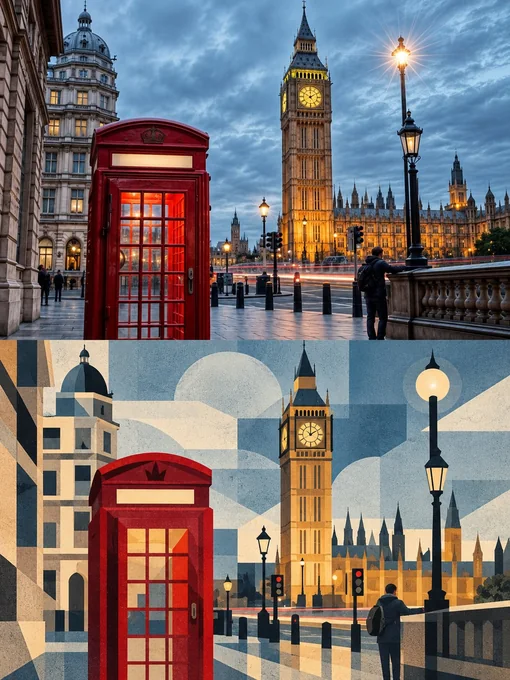
Landmark Photo to Geometric Art Poster
by @Ziha_ai
Prompt
Create a premium contemporary editorial poster for [LANDMARK NAME], [CITY], [COUNTRY], using the uploaded photograph of the landmark as the primary visual reference.
FORMAT AND COMPOSITION
Vertical 3:4 portrait poster, divided into two perfectly equal horizontal sections. The upper half occupies exactly 50% of the total height, and the lower half occupies the remaining 50%. Both sections must have equal heights, with a precise horizontal division at the center.
UPPER HALF: ORIGINAL PHOTOGRAPH
Preserve the original landmark photograph as faithfully as possible. Maintain the landmark’s authentic architectural identity, silhouette, proportions, distinctive structures, windows, arches, columns, rooflines, materials, and characteristic colors. Retain the original lighting, natural shadows, surface textures, perspective, and surrounding environment.
Apply subtle art-magazine color grading with refined tonal contrast, sophisticated color balance, and a contemporary fine-art photography aesthetic. If necessary, extend the background naturally to achieve the portrait composition without stretching, distorting, replacing, or altering the landmark. The photograph should feel authentic, timeless, and editorial rather than artificially enhanced.
LOWER HALF: GEOMETRIC ARCHITECTURAL ABSTRACTION
Reinterpret the same landmark as a sophisticated modular geometric illustration. Translate its most recognizable architectural features into bold, simplified geometric structures while maintaining an unmistakable visual connection to the photograph above.
Construct the illustration using large rectangles, squares, rounded squares, circles, triangles, arches, and carefully composed irregular geometric forms. Recreate the landmark’s distinctive silhouette, structural rhythm, architectural proportions, and recognizable details through overlapping blocks, layered planes, simplified facades, and carefully balanced shapes.
Avoid excessive fragmentation, tiny geometric pieces, photorealistic rendering, and generic architectural symbols. Favor fewer, larger, cohesive forms with deliberate spacing and strong compositional structure. Preserve the landmark’s unique identity rather than turning it into an interchangeable building.
COLOR AND MATERIAL LANGUAGE
Develop the illustration’s palette from the original photograph and the visual character of [COUNTRY]. Use a restrained, harmonious combination of architectural neutrals, muted heritage tones, earthy pigments, and carefully selected accent colors.
Introduce subtle paper grain, matte printed surfaces, delicate screen-print textures, and refined color overlays. Maintain a sophisticated balance between flat geometric shapes and tactile printed materials.
EDITORIAL ART DIRECTION
Create the visual quality of a collectible architecture-art exhibition poster designed for a prestigious independent art magazine. Emphasize architectural rhythm, negative space, geometric balance, precise alignment, and visual continuity between the photographic and illustrated halves.
The upper photograph and lower illustration must depict the same landmark from a consistent visual perspective wherever possible. Align major contours, dominant verticals, recognizable towers, rooflines, or other signature features across the central division to strengthen the relationship between the two halves.
The result should feel artistic, architectural, culturally distinctive, contemporary, and suitable for a high-quality art print.
STRICT RESTRICTIONS
No text, typography, letters, words, numbers, captions, slogans, logos, watermarks, signatures, labels, borders, or graphic lettering anywhere in the image. Do not add flags, decorative national symbols, or unrelated landmarks unless they are present in the original photograph. Do not modify the landmark’s authentic identity. Do not merge multiple photographs. Produce one complete, independent poster from the supplied photograph.
Posters & Design
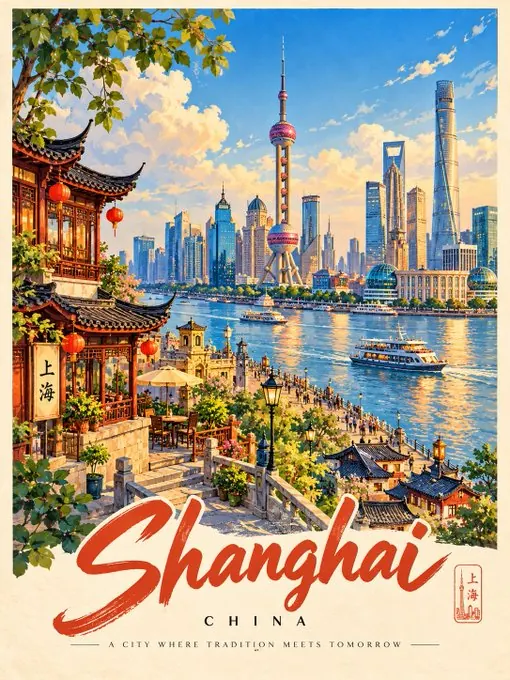
Vintage Travel Poster
by @Goodmanprotocol
Prompt
Create a charming 3:4 vertical vintage travel poster of [COUNTRY / CITY / DESTINATION], illustrated in a colorful, storybook-inspired style.

SCENE:
Show one iconic location with instantly recognizable landmarks, distinctive architecture, beautiful scenery, and authentic local details. Arrange the scene with an elevated viewpoint, layered depth, winding canals or streets, and a few lively elements that capture the destination’s character. Adapt the composition naturally to the location.

ART STYLE:
Clean hand-painted illustration with elegant outlines, simplified architectural details, rich colors, and a polished vintage travel-poster aesthetic. Make the scene whimsical, inviting, and richly detailed without looking photorealistic.

COLORS & LIGHT:
Use a harmonious palette of turquoise, sky blue, warm cream, coral, terracotta, golden yellow, and leafy green, adapted to the destination. Add soft clouds, warm sunlight, and a beautiful atmosphere.

POSTER DESIGN:
Frame the illustration with a subtle cream border. At the bottom, feature the destination’s name in large, elegant brush lettering, followed by the country in small uppercase letters and a short poetic travel-inspired tagline.

Keep the landmark as the focal point, with balanced composition, crisp details, and a collectible vintage postcard finish. Ensure all lettering is correctly spelled and readable.

Avoid photorealism, clutter, excessive decoration, distorted landmarks, illegible text, watermarks, and logos.

FORMAT: 3:4 vertical, full poster composition.
Prompts belong to their creators and are quoted with credit. Results depend on the model version and settings you use.